
Leadership transitions can define the future of a nonprofit organization. Whether planned or unexpected, the departure of an executive director, CEO, or senior leader can create instability, disrupt operations, and impact stakeholder confidence. Yet, many nonprofits delay succession planning until it becomes urgent.
A well-structured succession plan is not just a contingency—it’s a strategic necessity. For nonprofit boards and executive teams, succession planning ensures continuity, preserves institutional knowledge, and strengthens long-term mission impact.
In this guide, we’ll break down how nonprofit boards and executive leaders can build a practical, effective succession plan that aligns with governance best practices and organizational resilience.
Table of Content
- What is Nonprofit Succession Planning
- Why is Succession Planning Important for Nonprofits?
- Who is Responsible for Succession Planning?
- How do Nonprofit Boards Build a Succession Plan?
- Common Mistakes in Nonprofit Succession Planning
- How Succession Planning Strengthens Nonprofits
- Succession Plan Workflow
- Conclusion
- FAQs
WHAT IS NONPROFIT SUCCESSION PLANNING?
Succession planning is the process of identifying and preparing future leaders to take on key roles within an organization. In nonprofits, this typically focuses on:
- Executive Director / CEO transitions
- Senior leadership continuity
- Emergency leadership coverage
Unlike corporate environments, nonprofit succession planning must also align with mission integrity, board governance, and donor confidence.
WHY IS SUCCESSION PLANNING IMPORTANT FOR NONPROFITS?
Leadership transitions often influence broader strategic growth decisions in nonprofits, including partnerships and mergers. Without a formal transition plan in place:
Leadership gaps can lead to:
- Loss of donor trust
- Operational disruptions
- Strategic drift
- Staff turnover
According to BoardSource and Bridgespan research:
- Nearly 1 in 4 nonprofit CEOs plan to leave within 2 years
- Only ~30% of nonprofits have a formal succession plan
This gap highlights a major governance risk—and an opportunity for proactive leadership.
WHO IS RESPONSIBLE FOR SUCCESSION PLANNING?
Strong succession planning depends on board alignment for nonprofit success, ensuring all stakeholders are unified around leadership continuity. It's a shared responsibility between:
Board of Directors
- Owns CEO/executive succession
- Ensures governance alignment
- Approves and oversees the plan
Executive Leadership Team
- Develops internal leadership pipelines
- Identifies potential successors
- Supports staff development
HR / Organizational Development Leaders
- Facilitate leadership assessments
- Build training and readiness programs
Boards often rely on structured processes for executive leadership transitions in nonprofits, especially when external recruitment is required.
HOW DO NONPROFIT BOARDS BUILD A SUCCESSION PLAN?
1. Define Critical Leadership Roles
Start by identifying positions essential to operations and mission delivery:
- Executive Director / CEO
- Program Directors
- Development Leaders
Focus on roles where turnover would create immediate risk.
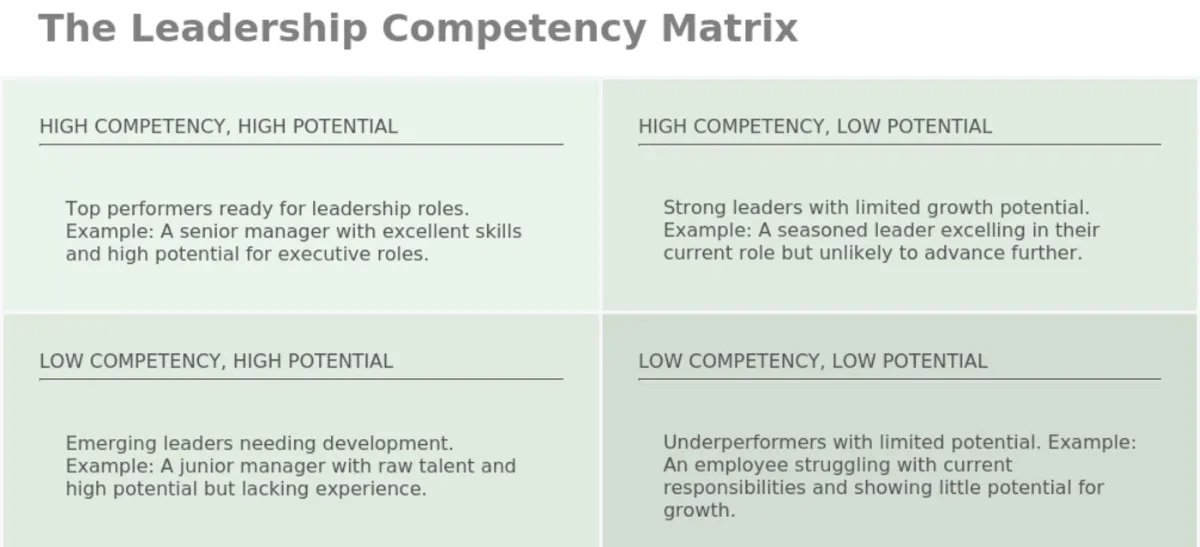
2. Conduct a Leadership Gap Analysis
Evaluate:
- Current leadership strengths
- Skill gaps
- Future organizational needs
This helps determine whether to develop internal candidates or recruit externally.
Source: HR competency frameworks.
3. Identify and Develop Internal Talent
High-performing nonprofits invest in leadership pipelines by:
- Mentoring emerging leaders
- Cross-training staff
- Offering executive coaching
This reduces dependency on external hiring and strengthens organizational culture.
4. Create Emergency and Long-Term Plans
There are two types of succession plans:
Emergency Succession Plan
- Covers sudden departures
- Assigns interim leadership
- Ensures operational continuity
Long-Term Succession Plan
A strong succession plan should align with your broader nonprofit strategic planning process, ensuring leadership transitions support long-term mission goals and also:
- Prepares future leaders over time
- Aligns with strategic goals
- Includes development timelines
5. Establish Clear Transition Protocols
A strong plan outlines:
- Communication strategies (staff, donors, stakeholders)
- Transition timelines
- Role responsibilities during the handoff
Clarity prevents confusion and maintains trust.
6. Document and Regularly Update the Plan
Succession planning is not a one-time task.
- Review annually
- Update based on organizational changes
- Integrate into strategic planning
COMMON MISTAKES IN NONPROFIT SUCCESSION PLANNING
- Waiting until leadership departure is imminent
- Failing to involve the board
- Overlooking internal talent
- Not documenting the plan
- Ignoring emergency scenarios
Avoiding these mistakes can significantly improve transition outcomes.
HOW SUCCESSION PLANNING STRENGTHENS NONPROFITS
Organizations with strong leadership pipelines are better positioned to implement organizational performance improvement strategies during periods of change.
Organizations with strong succession plans experience:
- Greater leadership stability
- Improved staff retention
- Increased donor confidence
- Stronger long-term strategy execution
Succession planning is not just about replacing leaders—it’s about building a resilient organization that can thrive through change.
SUCCESSION PLANNING PROCESS FLOW

Source: Adapted from nonprofit governance frameworks
AT THE END OF THE DAY...
Succession planning is one of the most critical responsibilities of nonprofit boards and executive teams. It ensures continuity, protects the mission, and prepares organizations for both expected and unexpected leadership transitions.
By defining key roles, developing internal talent, and creating structured transition plans, nonprofits can move from reactive crisis management to proactive strategic leadership.
For boards and executive leaders, the question is no longer if succession planning is needed—but how soon it can be implemented effectively.
Found this post useful? Feel free to share.
Let Glick Davis & Associates Help Build the Right Plan for Your Nonprofit Strategy.
Frequently Asked Questions
A succession plan is a structured strategy that prepares an organization for leadership transitions by identifying and developing future leaders.